Myth-busting
It is not easy to challenge the Resistance myth in France, which has shifted from being military and patriotic to humanitarian and ecumenical. But this book does.
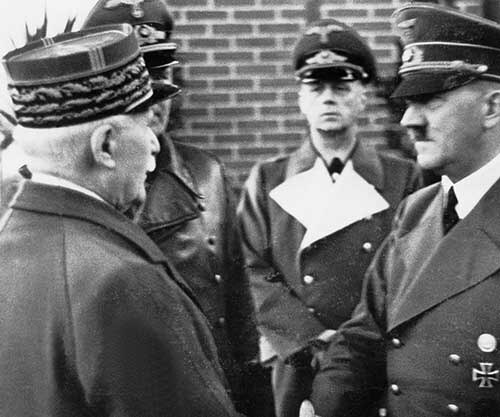
It is not easy to challenge the Resistance myth in France, which has shifted from being military and patriotic to humanitarian and ecumenical. But this book does.
A monumental treatment of the rise of English literature as a university discipline in Britain from the 1860s to the 1960s.
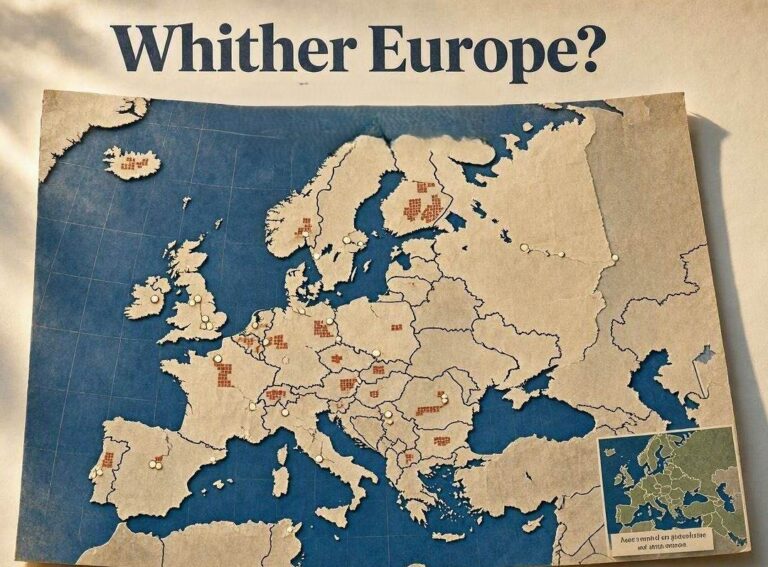
Who is the Moses who will lead Europe? Marsh’s candidate is Germany. Not ideal, Marsh knows, but better than nothing, he seems to say.
Though manipulation is as old as Adam and Eve and the serpent, it has taken on a new salience in our time. Social media has democratised manipulation, putting techniques of persuasion and deception, once monopolised by large corporations and states,…

Investigative journalist Ian Cobain uncovers Whitehall’s secret efforts to manipulate the Fourth Estate.
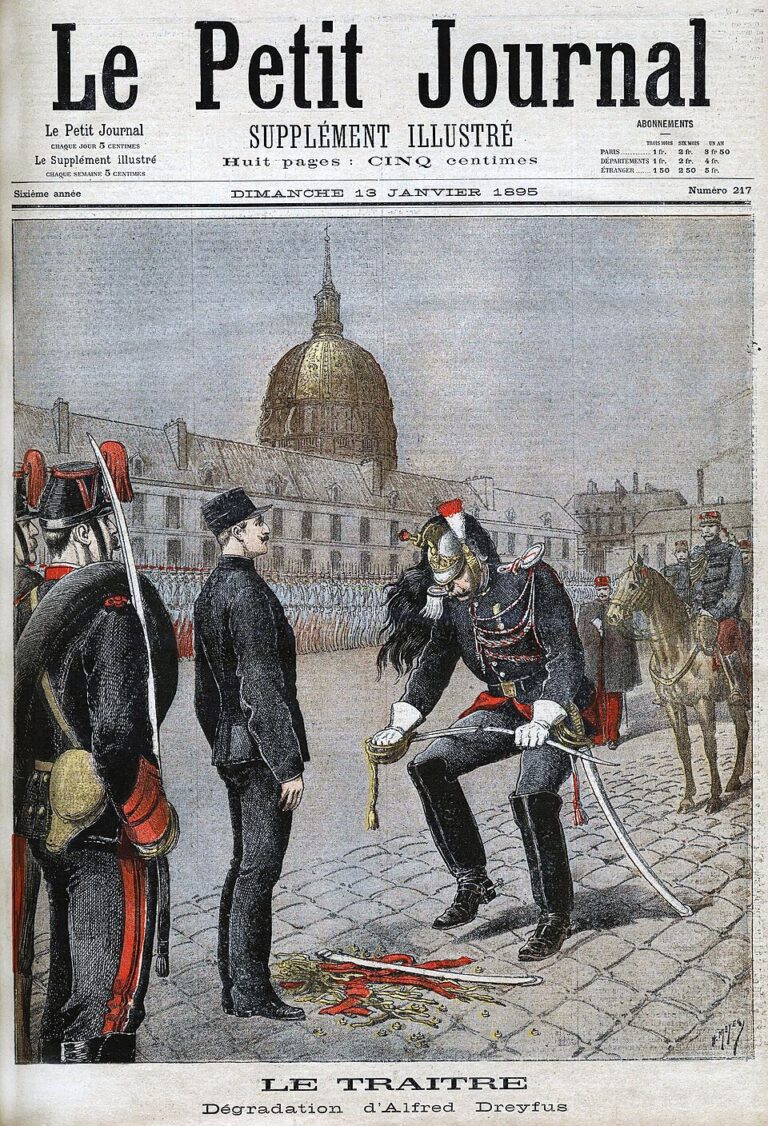
Ruth Harris reflects on her prize-winning study of the notorious Dreyfus case, ‘The Man on Devil’s Island’, and discovers new, fascinating parallels with our times.
Some time around the year 466 BCE – in the second year of the 78th Olympiad, the Roman naturalist Pliny the Elder tells us – a massive meteor blazed across the sky in broad daylight, crashing to the earth with an enormous explosion near the small Greek town of Aegospotami, or ‘Goat Rivers’, on the…
Documents on Irish Foreign Policy, Volume XIV, 1969-1973, eds Michael Kennedy, Eunan O’Halpin, Kate O’Malley, Bernadette Whelan, Kevin O’Sullivan, Jennifer Redmond, John Gibney and Melissa Baird, Royal Irish Academy, 1,122 pp, €50, ISBN: 978-1802050219 In one way it was the best of times: the last document in this fourteenth volume of Documents on Irish Foreign…
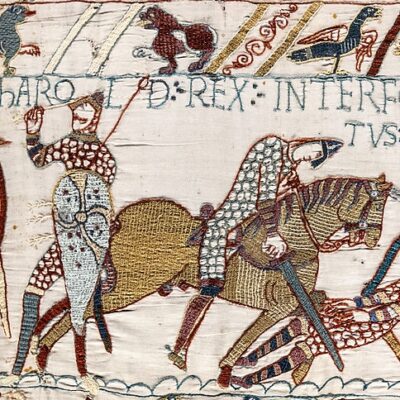
Here’s a question. If the Normans, with whom it is has been claimed all our troubles began, were playing Transnistria, or some other faraway land, should we be up for the Normans? Well no, of course not! But hold on … maybe we should. After all, there are Norman surnames all around us. Aengus Ó…
‘But to me our real shame lies in our silence regarding Fascism. We must be anti Fascist or all our history is a lie.’ Thus wrote poet Ewart Milne to Muriel MacSwiney on May 19th, 1942, at a stage in World War Two when it was by no means certain that the forces of fascism…